
Unpopular Opinion: Backyard Breeders and Biblical Stewardship Don’t Mix
I’m a freedom-loving gal—generally libertarian in my views. I believe in personal responsibility as a core pillar of life. But there’s one area where my convictions pull hard in tension: the world of dogs.
I’ve spent a lot of time in the dog world—volunteering in shelters, working as a behavioral trainer with clients and rescues, and seeing the heartbreaking fallout of poor breeding and uninformed purchases. Too many dogs suffer or die simply because people want quick, cheap, or convenient.
From a biblical lens, this matters deeply. We’re called to steward creation with care—not exploit it. That includes the animals we bring into our homes and onto our land.
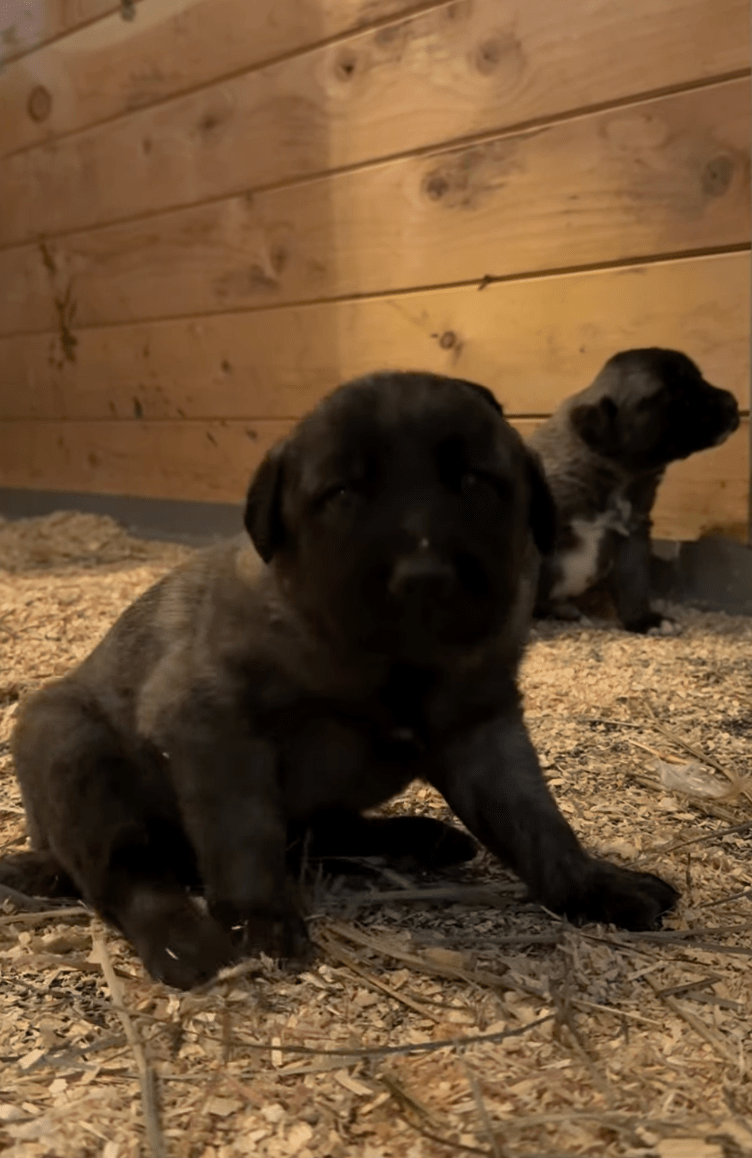
Now, as I took on the immense responsibility of sourcing a Livestock Guardian Dog for our farm, I’m leaned heavily on these convictions. A well-bred working dog isn’t just picked up on a whim—it takes research, patience, and yes, a higher price tag. But the difference it makes—for both you and the dog—is night and day.
What about “Adopt, don’t shop” ?
The phrase “Adopt, don’t shop” was born from a desire to combat unethical breeding, overcrowded shelters, and mass euthanasia—and that intent is something I deeply respect.
But, as a blanket solution, it flat-out misses the mark—and sometimes makes things worse.
*Most* dogs in shelters aren’t there because they’re unwanted—they’re there because they’re unstable. Behavioral issues, unpredictable temperaments, and poor genetics are the most common reasons dogs are surrendered. And when you’re working a farm, raising kids, or relying on a dog to perform a specific job, that kind of gamble can cost you.
Adoption can absolutely be the right choice—but let’s not pretend it’s *always* the responsible one. For many of us, especially those who need physical soundness and solid temperament, it’s a risky shot in the dark.
So how does one go about sourcing an ethical breeder anyways?
Red Flags to Watch Out For 
If you see these, walk away:
 Gives you pushback for any informed questions (good breeders LOVE when you’re informed on breeding practices, and are usually elated to answer any questions you have).
The breeder always has puppies available.
No health testing and/or vague answers about genetics (or says things like hip dysplasia/joint issues are all diet and not genetic at all so no need for OFAs… based on an actual recent conversation I had  ).
).
Parents aren’t on site—or worse, can’t be seen.
Won’t let you visit.
No contract, health guarantee, or return policy.
No interest in your lifestyle, or plans for the dog.
Prices that seem “too good to be true”.
Selling through Craigslist, Facebook Marketplace, or flea markets.
Multiple breeds being bred with no clear purpose or expertise.
 Bonus: ANYTHING DOODLE. The only thing with an oodle, should be a Poodle. Plz stahhhhhhp.
Green Flags in Reputable Breeders 
These are signs you’ve found someone who takes stewardship seriously:
 Health Testing is a Standard, Not a Bonus
Breeder provides proof of OFA, PennHIP, or genetic testing on both parents, and discusses results openly.
Puppies are Raised in a Healthy, Enriching Environment
Clean living space, proper socialization, exposure to sounds, people, and (when appropriate) livestock or work settings.
You’re Interviewed as Much as You Ask Questions
A good breeder wants to know about you: your lifestyle, your goals, your experience, your setup. They don’t hand puppies over to just anyone.
Limited Litters, Not a Puppy Factory
They breed for quality, not quantity—usually one or two well-planned litters per year with clear intent behind the pairing.
They Preform Temperament Evaluations on Each Littler
And carefully explain their puppy placement protocols to set everyone up for success.
Lifetime Support & Return Policy
They’re available for questions and guidance for years to come.
Breeding with Purpose
Whether it’s working ability, conformation, temperament, or performance—there’s a thoughtful reason behind every pairing.
Contracts that Protect the Dog
Ethical breeders use contracts that include spay/neuter clauses (when appropriate), limited registration, and clear rehoming policies.
Transparency About Challenges
They’re honest about the pros and cons of the breed, known health issues, and what kind of homes their dogs thrive in.
I usually lean away from regulation—but when it comes to breeding practices, the lack of oversight in many parts of the world, especially here in the U.S., have me wondering if this needs to be part of the solution?
Every year, around 390,000 dogs are euthanized in American shelters. Discarded when inconvenient. Most of these are not because of challenging life circumstances, but for behavioral issues.
In contrast, countries like Sweden, Germany, and the Netherlands—where breeding is strictly regulated and pet ownership is treated as a serious responsibility—have nearly eliminated shelter euthanasia altogether.
So what’s the solution? How do we stop the absolutely unnecessary amount of death? Something I ponder and wrestle with.
A Final Word
If we claim to care about animals—or to live by biblical values—we can’t keep funding careless breeding with our wallets. God’s command to “tend and keep” means doing better, even when it’s inconvenient.
So let’s do better. Let’s raise the standard. And let’s encourage others to do the same.
Because stewardship doesn’t stop at the garden gate—it shows up in the kennel, too.

 The Flocking Farm
Leave a comment